About Us

A farmer-led group, run by and for the farmers of west Fermanagh.

Our story

West Fermanagh Farmers Cluster Ltd was established in October 2024 by a group of local farmers who saw a clear need: an organisation rooted in the west Fermanagh catchment, run by farmers, that could bring in funding and support for the hill and suckler farms that make up much of this landscape.

WFFC is a farmer-led group, registered as a company limited by guarantee, with a board of active farmer-directors who understand the land and the businesses that depend on it. We work closely with a panel of professional advisers to deliver projects that meet real needs — environmental, financial, and community-focused.
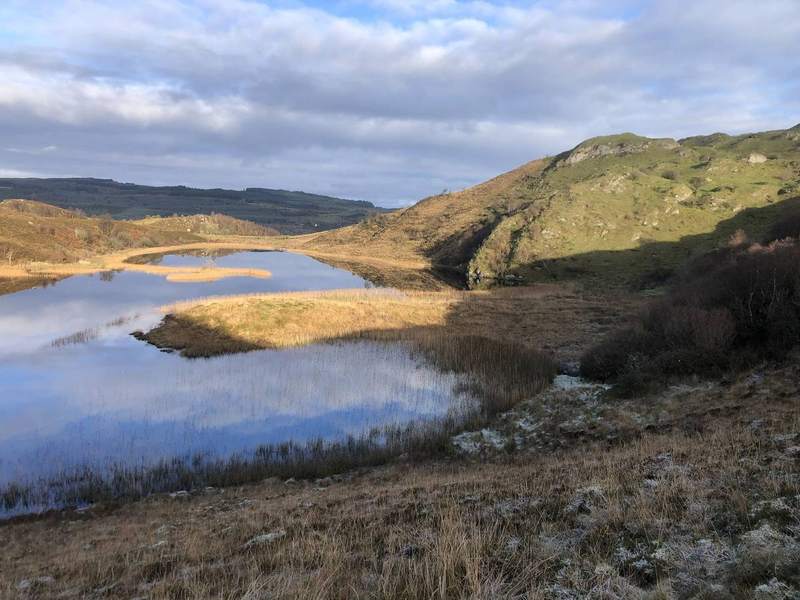
West Fermanagh bogland and hill reflection

Our vision

To lead landscape-scale regeneration of the farmed environment and rural communities in west Fermanagh through collaboration and knowledge exchange.

Our mission

To develop and support a diverse and pro-active group of local farmers, partners, and advisers who work and learn together to promote sustainable farming practices that are mutually beneficial to the farmer, the local environment, and the wider public.

Our objectives

Our board

WFFC is directed by six farmer-directors drawn from across the catchment, covering farming credibility, agricultural finance, and community links.

Our board brings together decades of hands-on farming experience across hill sheep, suckler cattle, and mixed enterprises, alongside financial and community expertise. Board members are active farmers and local figures with strong roots in the west Fermanagh area.

Our catchment

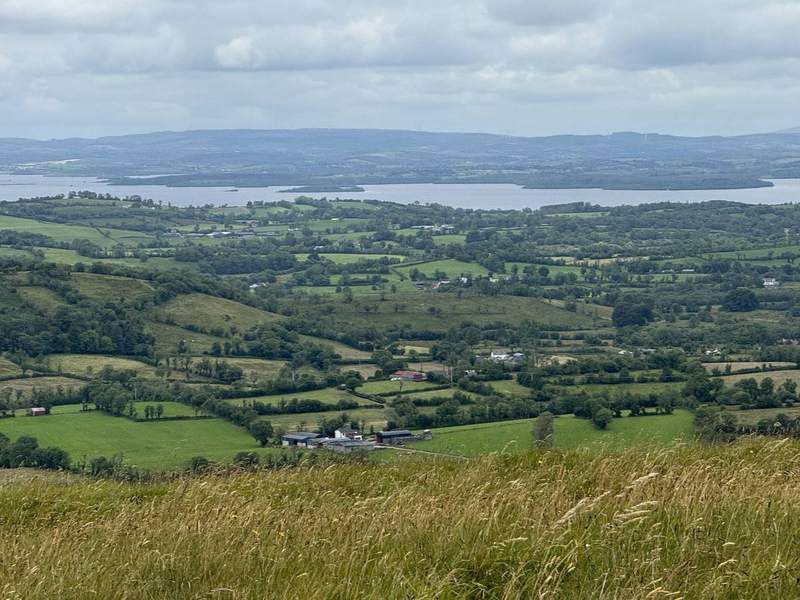
We work across the west Fermanagh catchment — the hill ground, drumlin farms, and land draining toward Lough Erne. This is marginal farming country: hill sheep and suckler cattle, small fields, and farm businesses that have to work hard against the land and the weather.

It's also a landscape rich in natural value — peatland, rivers, and habitat that farmers here have managed for generations. Our projects aim to support both: viable farm businesses, and the environment they depend on.

View across west Fermanagh catchment toward Lough Erne

Wildlife of the catchment

The Geopark designations reflect what farmers here see every season — hedgerows and wet grassland rich in species that depend on this kind of low-input, well-managed farmland.

Six-spot burnet moth in the west Fermanagh catchment
Heath spotted orchid in the west Fermanagh catchment
Silver-washed fritillary butterfly in the west Fermanagh catchment
Cuckoo flower with green-veined white butterfly in the west Fermanagh catchment

Around the catchment

A working landscape — predominantly hill and suckler farms, with some dairy enterprises also part of the mix across west Fermanagh.

Cattle on hill pasture in west Fermanagh
Cow and newborn calf on a west Fermanagh farm
Dairy herd grazing in the west Fermanagh catchment

Where we are

West Fermanagh sits within the Cuilcagh Lakelands UNESCO Global Geopark, on the border with counties Cavan and Leitrim. Much of our catchment overlaps with protected sites — ASSIs, nature reserves, and other designations — reflecting just how much natural value this farmed landscape holds.

Map showing designations within the Northern Ireland section of the Cuilcagh Lakelands UNESCO Global Geopark

Environmental designations across the west Fermanagh area, within the Cuilcagh Lakelands UNESCO Global Geopark.

Professional Advisory Panel

Our farmer board is backed by a panel of professional advisers who bring in specialist expertise — from agri-environment science to community development — to help us deliver funded projects to a high standard.

Panel members are drawn from organisations including Queen's University Belfast, Ulster Wildlife, the University of Exeter, and local community and environmental bodies. This partnership between farming knowledge and professional expertise is central to how WFFC operates.

What we've delivered so far

See full project details →

Our directors' wider work

Beyond WFFC, our board members are active participants in wider farming, environmental, and creative initiatives across the region — bringing that experience and those relationships back into the cluster.

Benmore Farm

Oliver Keown — Benmore Farm

Oliver and Diane Keown run Benmore Farm on the drumlins of County Fermanagh, raising native-bred Aberdeen Angus cattle using regenerative practices — rotational grazing, long rest periods, and careful protection of water margins and hedgerows.

Visit Benmore Farm →  |  Watch: EIT Food GROW Farm Walk →

EIT Food GROW Project

Trevor Irwin — The Weatherproof Farm

A soil health and regenerative grazing workshop with consultant Niels Corfield, run jointly by Queen's University Belfast and Ulster Wildlife with EIT Food GROW support.

Watch: The Weatherproof Farm — Grazing & Mixed Operations Workshop →

Farm Walks — Creative Ireland Shared Island Programme

Aidan McGovern, Marlbank

Aidan and Vee McGovern's farm sits within the Killykeeghan Nature Reserve, where upland heath, peatland, and limestone meet near the Marble Arch Caves. Their farm walk featured artists from the Leitrim Hawthorn Project.

Watch: Farm Walk 5 — Aidan McGovern and The Leitrim Hawthorn Project →

Farm Walks — Creative Ireland Shared Island Programme

Trevor Irwin, Boho

Trevor farms with his family in Boho, running a suckler herd partly within the Aghnaglack ASSI. His farm walk focused on hedgerow management with specialist Neil Foulkes and artist Maria McKinney.

Watch: Farm Walk 6 — Trevor Irwin with Maria McKinney and Philip McCrilly →

Both farm walks were part of a six-farm programme co-created by Leitrim County Council Arts Office, The Dock Arts Centre, Leitrim Sustainable Agriculture Group (LSAG), and Ulster Wildlife — the same partnership behind WFFC's ongoing relationship with LSAG.

Genene Hunter is featured as a case study farmer with Just Farmers, a media platform connecting independent farmers with journalists. Raised on a dairy farm, Genene now helps run her husband's beef farm in County Fermanagh. View the Just Farmers directory →